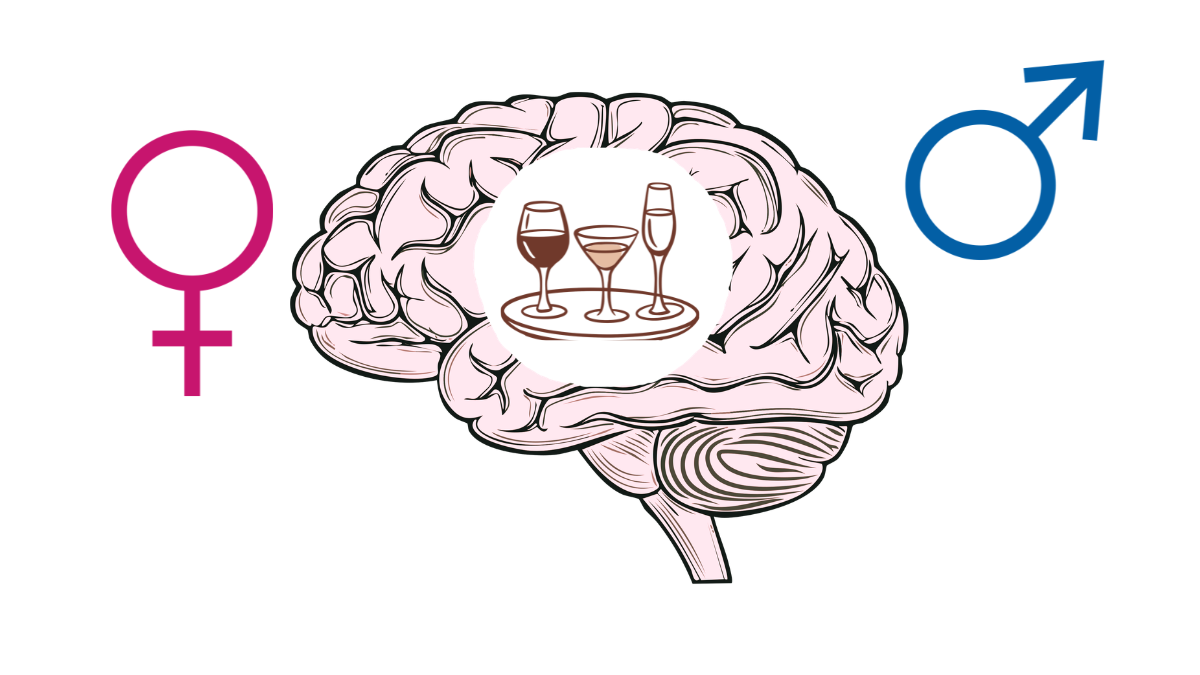
A collaborative study between the Oregon National Primate Research Center and The Scripps Research Institute found that long-term alcohol use disrupts the immune signals inside the brain’s stress center, and that some of these disruptions look different in males and females.
This research shows important sex-specific differences in how the brain responds to chronic drinking, offering new insights into why alcohol affects people in different ways. And, it points toward potential new treatments for alcohol addiction.
What The Study Found
Researchers studied rhesus monkeys that voluntarily drank alcohol daily for over a year. They focused on the central amygdala, a brain region critical for stress, emotion, and alcohol dependence, and on an immune-related molecule called interleukin-6 (IL-6). During chronic drinking, IL-6 changed how a calming brain chemical called GABA functions in the amygdala, and it did so differently in females compared to males.
A Possible Path to New Treatments
Several medications already approved for treating autoimmune diseases work by blocking IL-6. This new discovery linking IL-6 to alcohol dependence raises the possibility that IL-6-blocking drugs could be customized based on sex to one day help treat alcohol addiction or reduce harmful brain effects of heavy drinking.
Why It Matters
What this study makes clear is that alcohol doesn’t act on the brain in a vacuum; it also changes the immune signals that help brain cells communicate. By uncovering how interleukin-6 alters cell signaling in the amygdala, researchers are beginning to understand why chronic drinking affects stress, emotion, and vulnerability to addiction in such profound ways. These findings open the door to new therapeutic possibilities, including repurposing existing immune-targeting medications to help people struggling with alcohol use disorder.
This also highlights why discovery research matters. The better researchers understand how something works, the more focused their next studies can be, and that focus is one way research works toward using fewer animals to learn more.
Reference
Bajo M, Gandhi P, Fei SS, Yu Y, Gao L, Khadka R, Blanton MB, Messaoudi I, Warden AS, Mayfield RD, Cuzon Carlson VC, Grant KA, Roberto M. Chronic alcohol consumption sex-dependently affects IL-6 modulation of GABAergic synapses in the central amygdala of rhesus macaques. Brain Behav Immun. 2026 Feb;132:106227. Doi: 10.1016/j.bbi.2025.106227. Epub 2025 Dec 18. PMID: 41421735; PMCID: PMC12969976.